

×
Food screening equipment directly affects food safety, product texture, and production efficiency; improper selection can lead to a series of problems
such as insufficient output, prone to rusting, difficulty in cleaning, and failure to meet export quarantine standards.
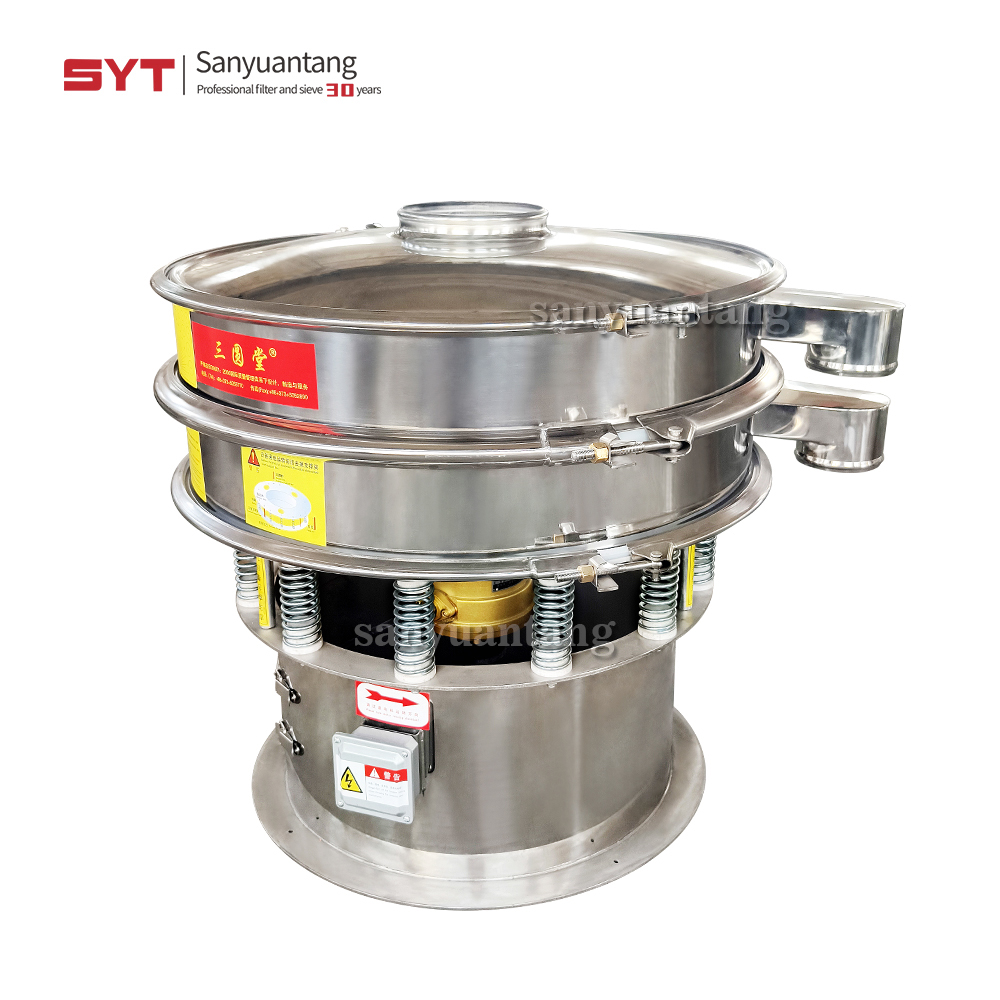
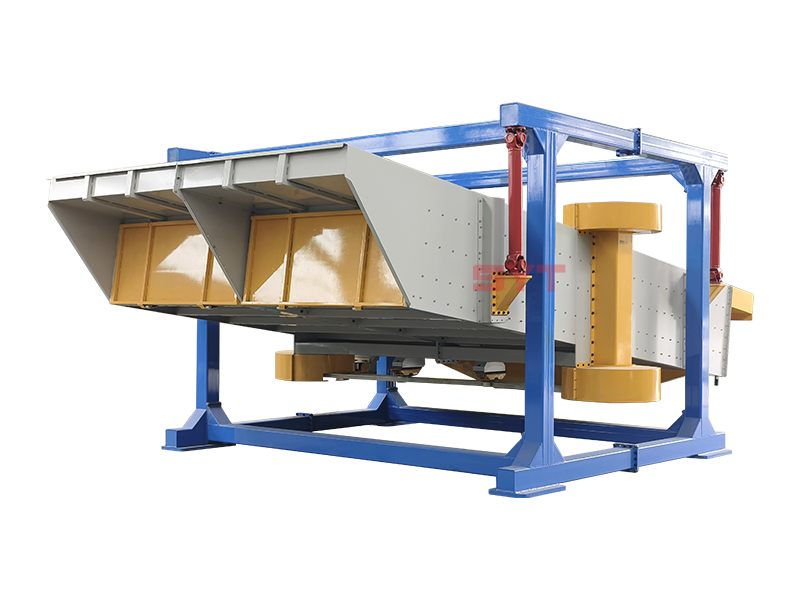
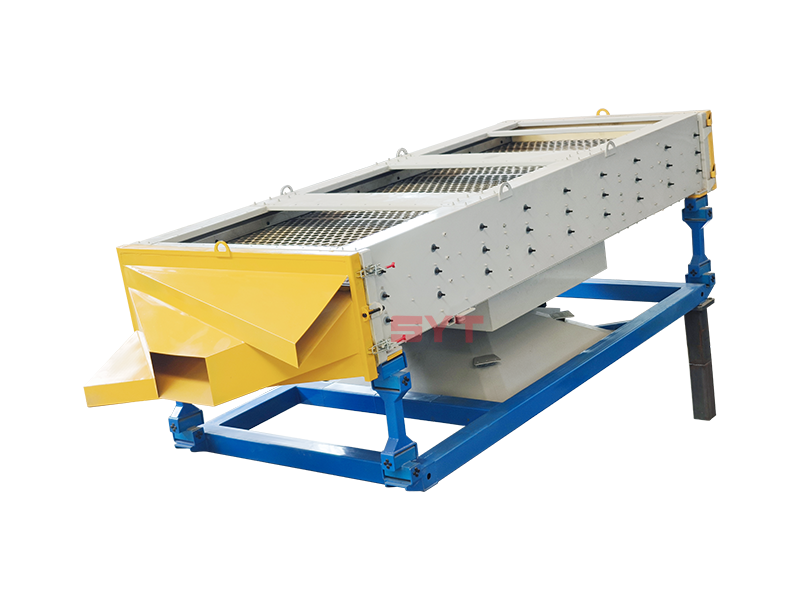
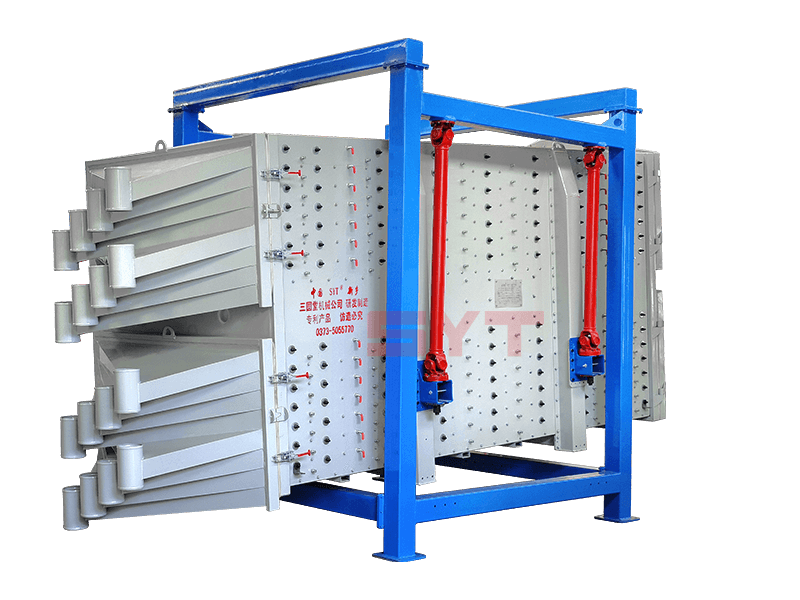
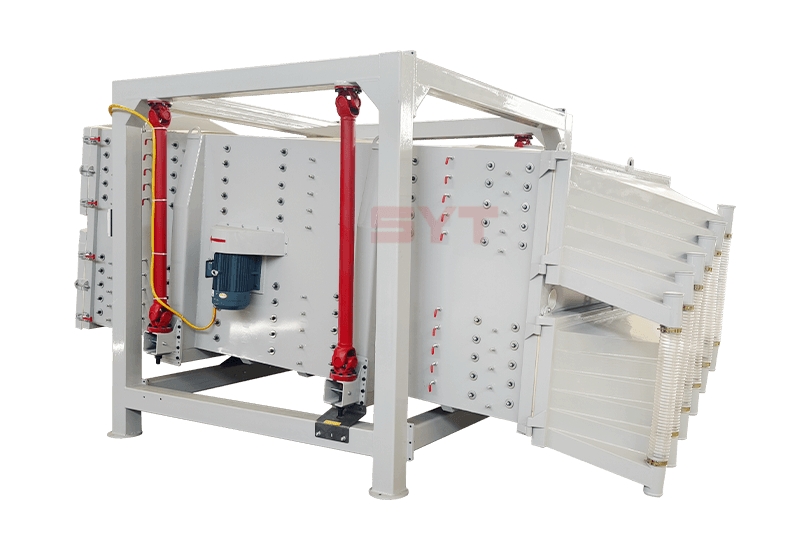
When selecting a food-grade rotary vibrating sieve, focus on the four core aspects:
1. Material Standards: Prioritize 304 stainless std processing; select 316 stainless steel for corrosive or high-temperature syrups, which is corrosion-resistant,
rust-proof, and meets export hygiene inspection standards.
2. Layer Configuration: Use single-layer for simple filtration and impurity removal; use double or multi-layer rotary vibrating sieves for particle grading.
3. Screen mesh size: Use 80–200 mesh fine screens for fruit juices and syrups; pair granular materials with coarse screens; Customized according to needs.
4. Sealing and Cleaning: Fully enclosed dust-free structure with quick-release screen frames, easy to wash, and free of hygiene dead corners.
The rotary vibrating screen is highly versatile and widely used in the food industry for date processing, juice filtration, honey purification, flour
screening, and seasoning. It features stable operation, a low failure rate, high automation, and low labor costs.
Manufacturers can customize models according to customer production volume, site conditions, and material characteristics, supporting export
customs clearance, non-standard size customization, and long-term warranty after-sales service to meet the screening needs of large, medium, and
small domestic and international food process.
#VibroScreen #RotaryVibratingSieve #DateJuiceProcessing
#DateSyrup #FoodSievingMachine #MiddleEastFoodIndustry
#JuiceFilterEquipment #DateProcessingPlant #StickyLiquidSieve